Just as France recognizes regional wines, including Champagne, Bordeaux, and Cognac, under its Appellation d’Origine Contrôlée, Mexico’s Denominations of Origin do the same with agave spirits, namely Tequila, Mezcal, and Raicilla.
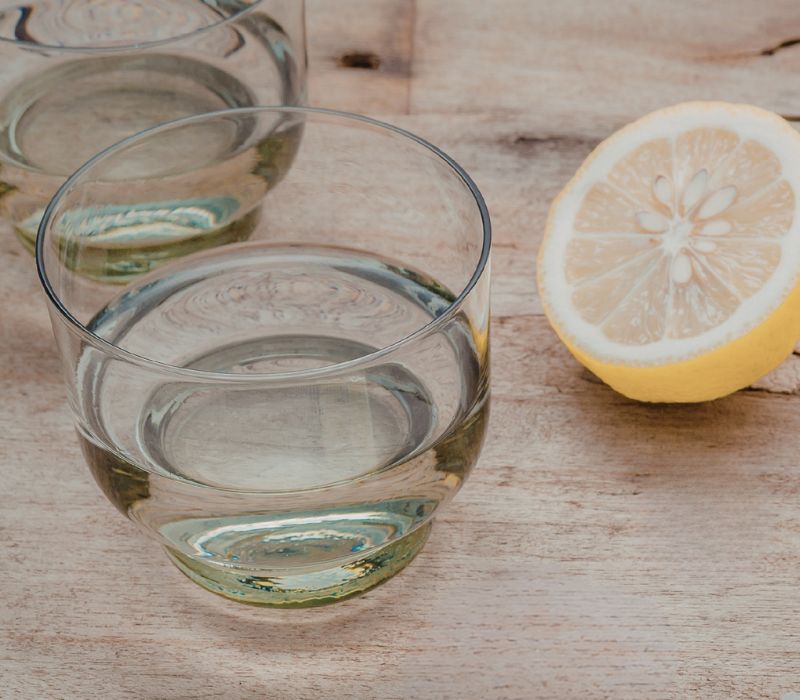
The agave spirit category encompasses more than just tequila, including varieties like mezcal and raicilla.
The foundation of all of these spirits is the piña – or the heart – of the agave plant. However, what creates dramatically different products in the connoisseur’s glass stems from location and agave type, as well as variations in cultivation, cooking, fermentation and distillation practices. Those variations mean that tequila, mezcal, and raicilla are not interchangeable terms. Each has its own unique characteristics that make it stand out as a distinct agave-based spirit.
Tequila
Tequila is the best known of the agave spirits. In fact, the category has experienced extraordinary growth in the US, increasing almost 300% since 2003! Tequila is now the best selling spirit in the country, just after vodka.
Tequila is produced primarily in the state of Jalisco, whose broad volcanic highlands and valleys with mineral-rich red soils make it ideal for large-scale agave cultivation, though some limited production is permitted in Nayarit, Guanajuato, Michoacán, and Tamaulipas. To qualify as tequila, the spirit must be made from at least 51% Blue Weber agave, which is native to Jalisco and the surrounding regions. Its recognition is not a mere legality, but because of Blue Weber agave’s sugar concentration and its agricultural reliability, meaning that crops in the region are reliably consistent year after year.
The production of tequila starts with baking the agave piñas in ovens, then crushing them to extract juices to be fermented in stainless steel or wooden tanks. The spirit is then distilled twice more – sometimes three, to create a lighter product – to meet Alcohol by Volume (ABV) and flavor standards.
Tequila comes in four main styles:
- Blanco – Unaged
- Reposado – Aged 2-12 Months
- Añejo – Aged 1-3 Years
- Extra Añejo – Aged 3+ Years
Mezcal
Unlike tequila, which is made exclusively from Blue Weber agave, mezcal can be produced from several varieties. Espadín is the most common, used in as much as 90% of all mezcal. It is produced in several states, but mostly in Oaxaca, where rugged mountain ranges, deep valleys, and dramatic elevation changes create diverse microclimates.
Mezcal begins with roasting the piñas in conical underground pits lined with rocks and wood, which gives the spirit its distinct smoky flavor. After several days, they are crushed to create a mash of fibers and juice, which are then placed in open-air vats for fermentation with natural yeasts before distillation in copper or clay stills.
Mezcal comes in three main styles:
- Joven – Unaged or Lightly Aged
- Reposado – Aged 2-12 Months
- Añejo – Aged 1+ Years
Raicilla
Mezcal and tequila’s wilder, lesser-known cousin, raicilla, is native to the mountains and coasts of Jalisco and parts of neighboring Nayarit. Historically, raicilla has been predominantly a local artisanal spirit, but commercialization is becoming more global as consumer interest in niche, authentic agave spirits continues to rise, especially in the craft cocktail scene.
Raicillas are characterized as de la costa (coastal) and de la sierra (mountainous), and both styles are produced similarly to tequila and mezcal. The piñas of endemic wild and cultivated agave varieties in the region are roasted in small earthen pits, often made from volcanic rocks. The mash is then fermented in small batches, with de la costa typically distilled in Filipino-style, wood-fired stills and de la sierra in copper alembic pot stills, and both are then single- or double-distilled.
In terms of flavor, raicilla is a more fragrant mix of floral and vegetal notes than tequila and mezcal, sometimes leaning more funky or earthy. Because it is produced from agaves distinctly characterized by their regions of origin, raicilla is considered a more heavily terroir-driven spirit.